
Trail Trouble? Solving Common Off-Road Tire Failures with the Right RT/AT/MT Build
A shredded sidewall on a gravel fire road, a cabin drone that makes a three-hour highway transfer feel like six, and a vehicle sitting on its belly in soft sand are three different complaints. They are not, however, three unrelated problems. Each one traces back to a specific part of the tire's construction, and each one points toward a different build: RT, AT or MT.
This article takes the failures first and the products second. It walks through what actually breaks, what the reinforced off-road tire construction changes at the material and geometry level, and how to match a rugged-terrain (RT), all-terrain (AT) or mud-terrain (MT) build to the terrain that is destroying your current set.
Start With the Failure, Not the Tread Pattern
Most off-road tire complaints resolve into three failure families. Naming them correctly is the difference between buying the right tire and buying a more expensive version of the wrong one.
1. Sidewall cuts and bulges
A sidewall bulge is not cosmetic damage — it is structural. When a vehicle strikes a pothole or a sharp embedded rock, the impact compresses the sidewall against the rim. If the casing cords inside the sidewall break, the rubber can no longer hold its shape and pushes outward as a knot or bulge. Once that happens, the tire is compromised and the failure usually follows within a short distance at speed.
On a conventional off-road pattern, the sidewall is often the thinnest and least protected part of the tire, even though it is the part most exposed to trail hazards. This is why rocky terrain and rough secondary roads produce a disproportionate number of sidewall failures while the tread itself still looks serviceable.
2. Highway noise and vibration
Aggressive tread blocks are what give an off-road tire traction in loose ground, and they are also what generate airborne noise at highway speed. Owners who buy a purely mud-oriented pattern for a vehicle that spends most of its life on pavement usually discover the trade-off on the first long drive. The annoyance is real, but it is also a design consequence — which means it can be engineered around rather than simply accepted.
3. Loss of traction in sand, mud and extreme heat
Sand dunes and hot climates punish a tire differently from mud. In deep, dry sand, a narrow or overly stiff footprint tends to dig rather than float, and the tire has to work at very low pressure where sidewall flexibility and heat resistance matter. In deep mud, the requirement is self-cleaning: the pattern has to evacuate material instead of packing it. A tire optimized for one of those conditions is rarely optimized for the other, which is exactly why the RT / AT / MT split exists.
Why Mixed-Terrain Tire Demand Keeps Growing
The commercial context behind these failures is a market that keeps expanding. Smithers values the global off-the-road (OTR) tire market at approximately USD 34.4 billion in 2024, driven largely by mining and construction activity. Within that, Credence Research sizes the mud tire (MT) segment at USD 8.3 billion in 2024 with a projected CAGR of 6.1% through 2033, linked to rising off-road recreational activity.
Industry trade coverage has also described rugged-terrain (R/T) tires as a high-growth middle-ground category, capturing share from both traditional A/T and M/T segments for buyers who want an aggressive stance without M/T noise levels. (Tire Review AI Insights, 2025, North America — third-party trend observation, medium reliability.)
The practical takeaway for a buyer or fleet manager is straightforward: the majority of vehicles are not pure mud trucks or pure dune buggies. They run mixed duty cycles, and the failure they experience most often is the one the current build was never designed to prevent.
What a Reinforced Off-Road Construction Changes
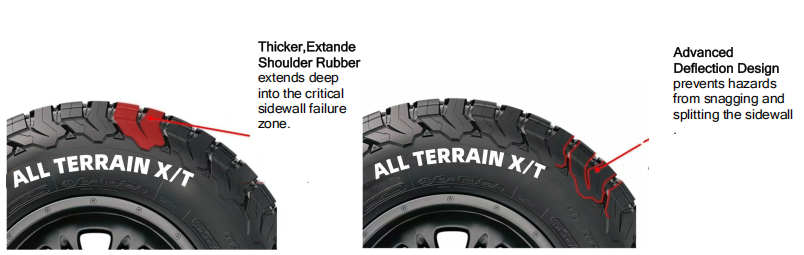
Compared with a traditional tire pattern and construction design, the reinforced off-road construction used across the WIDEWAY, EVERLAND and V-RICH off-road lines differs in four structural areas: tougher sidewall rubber, thicker extended shoulder rubber, an advanced deflection design, and a silent absorber.
Those four changes translate into measurable differences rather than aesthetic ones:
- Tread width: a contact patch approximately 3% wider, which improves how the tire meets loose ground and how load is distributed across the footprint.
- Sidewall reinforcement: approximately 5 mm additional sidewall thickness, aimed squarely at impact and blowout resistance.
- Handling and safety: approximately 22% more grip and driving stability than a conventional pattern and construction design.
- Durability: approximately 40% extension in total tire lifespan and safety margins.
The sidewall figure is the one that matters most in a trail-failure conversation. A 5 mm thicker sidewall significantly reduces the risk of sidewall bulging caused by cord breakage when hitting potholes — the exact mechanism described earlier. Combined with tougher sidewall rubber and thicker extended shoulder rubber, the reinforcement adds material precisely where rocks, ruts and potholes strike first.
The silent absorber addresses the second failure family. By reducing the airborne noise that aggressive blocks generate, it keeps the tire usable on the highway leg of a trip without giving up the tread that makes the off-road leg possible.
In terms of terrain coverage, this construction is positioned for urban road, highway, all-terrain, mud terrain, rugged road, and snow and ice road conditions — a deliberately broad envelope that reflects how these vehicles are actually used rather than how they are marketed.
RT, AT or MT: Matching the Build to the Failure
RT (Rugged Terrain) — for sidewall destruction on rock and gravel
RT is the build to choose when the tire keeps failing before the tread wears out. Cut sidewalls, bulges and shoulder damage on rocky trails, gravel access roads and broken secondary pavement all point to an RT pattern with reinforced sidewalls. It sits between the all-terrain and mud-terrain extremes: enough bite for loose and uneven ground, with the sidewall protection that conventional patterns lack, and with the silent absorber keeping highway noise in a usable range.
AT (All Terrain) — for mixed highway and trail duty
AT remains the reference point for vehicles that divide their mileage between paved roads, hardpack, gravel and occasional soft ground. When the complaint is uneven wear, short tread life and frequent maintenance rather than catastrophic trail damage, an all-terrain build with the reinforced construction is the more cost-efficient answer — it covers all-terrain, rugged road and highway use without sacrificing the durability gains described above.
MT (Mud Terrain) — for deep mud and soft, self-cleaning ground
MT is the specialist. Where an AT or RT pattern packs with mud and loses traction, a mud-terrain build is designed to evacuate material and keep moving. The MT segment's size — USD 8.3 billion in 2024 with a projected 6.1% CAGR through 2033 (Credence Research) — reflects how many buyers need this capability. The trade-off is the familiar one: the more aggressive the pattern, the more the highway experience depends on supporting design features such as the silent absorber.
Decision rule: buy for the terrain that produced your last failure, not for the terrain that produced the best photograph. If you are replacing sidewalls more often than tread, you need RT. If you are replacing tires early because of wear and maintenance frequency, you need AT. If you are getting stuck in soft, deep ground, you need MT.
Step-by-Step: Specifying the Right Off-Road Tire Build
- Log the failure. Record whether the last three failures were sidewall-related, wear-related or traction-related. This single step eliminates most wrong purchases.
- Map the duty cycle. Estimate the real split between highway, gravel/rock, sand, mud and snow. The dominant surface should drive the pattern choice, not the occasional weekend.
- Check the sidewall specification. For rock, gravel and pothole exposure, confirm reinforced sidewall construction rather than assuming that an aggressive tread implies a protected sidewall.
- Confirm the size and fitment. Verify the required size for the vehicle and load, and confirm rim fitment before ordering. A reinforced sidewall does not compensate for an incorrect size.
- Verify market compliance. Match the tire to the destination market's requirements — DOT coding for the US, 3PMSF where winter use is regulated in Europe, SASO for Saudi Arabia, and the applicable certification for other regions.
- Calculate total cost of ownership, not unit price. Compare the initial cost against expected lifespan and maintenance load across the ownership period.
- Validate with a sample. Run a sample set on the actual terrain and duty cycle before committing to volume.
Where the Reinforced Build Pays Off: Four Scenarios
Rocky mountain trails and broken access roads
This is the highest-stress environment for sidewalls. Sharp, partially buried rock delivers concentrated impact to the sidewall and shoulder. The 5 mm thicker sidewall and thicker extended shoulder rubber are aimed directly at this scenario, and the result is fewer mid-route failures and a longer service interval between replacements.
Sand dunes and hot climates
In dunes and hot-climate operation, the tire works at low pressure and elevated temperature. A 3% wider contact patch helps the footprint carry the vehicle instead of digging in, and the broader terrain envelope of the reinforced construction keeps the tire usable when the route returns to hardpack or pavement. Buyers sourcing specifically for sand dunes and hot climates should prioritize footprint stability and heat tolerance over maximum block depth.
Snow, ice and winter-regulated markets
Snow and ice coverage is part of the stated terrain envelope for this construction. For markets where winter tire rules apply, that has a compliance dimension as well as a traction one — the Three-Peak Mountain Snowflake (3PMSF) symbol has been mandatory for winter tires used in wintry conditions in Germany since October 2024 and in Sweden since November 2024.
Mixed-duty fleets and rental vehicles
Fleets rarely get to choose their terrain. A vehicle may run highway on Monday, gravel on Wednesday and a construction site on Friday. Here the maintenance figure matters as much as the traction figure: compared with a traditional pattern and construction design, the reinforced build has been positioned as requiring roughly 90% less maintenance, with longer tread life and a total cost of ownership approximately 40% lower over three years despite an initial cost about 10% higher.
Comparison Table: Reinforced Construction vs. Traditional Pattern and Construction Design
| Comparison point | Traditional pattern and construction design | Reinforced off-road construction |
|---|---|---|
| Sidewall rubber | Standard sidewall thickness | Tougher sidewall rubber with approximately 5 mm additional sidewall thickness |
| Shoulder area | Standard shoulder geometry | Thicker, extended shoulder rubber |
| Impact behaviour | Higher risk of cord breakage and sidewall bulging on pothole impact | Advanced deflection design; significantly reduced risk of bulging caused by cord breakage |
| Contact patch | Baseline tread width | Approximately 3% wider contact patch |
| Noise control | Pattern-driven noise at highway speed | Silent absorber integrated into the construction |
| Grip and driving stability | Baseline | Approximately 22% increase |
| Total tire lifespan and safety margin | Baseline | Approximately 40% extension |
| Suitable conditions | Limited terrain coverage | Urban road, highway, all-terrain, mud terrain, rugged road, snow and ice road |
| Initial cost | Baseline | Approximately 10% higher |
| Total cost of ownership (3 years) | Baseline | Approximately 40% lower |
| Maintenance requirement | Baseline | Approximately 90% less maintenance required |
Build Type Comparison: RT vs. AT vs. MT Positioning
| Build | Primary terrain focus | Design emphasis | Failure mode it addresses |
|---|---|---|---|
| 4x4 RT (Rugged Terrain) | Rock, gravel, broken roads, mixed trail and highway | Reinforced sidewall, thicker extended shoulder rubber, silent absorber | Sidewall cuts, bulging, shoulder damage |
| 4x4 AT (All Terrain) | Highway, hardpack, gravel, all-terrain and occasional soft ground | Balanced pattern with the reinforced construction and wider contact patch | Early wear, short lifespan, high maintenance frequency |
| 4x4 MT (Mud Terrain) | Deep mud, soft and self-cleaning ground | Aggressive, self-clearing pattern for maximum bite in loose material | Loss of traction and packing in deep mud |
Sourcing Checkpoints Before You Commit to a Build
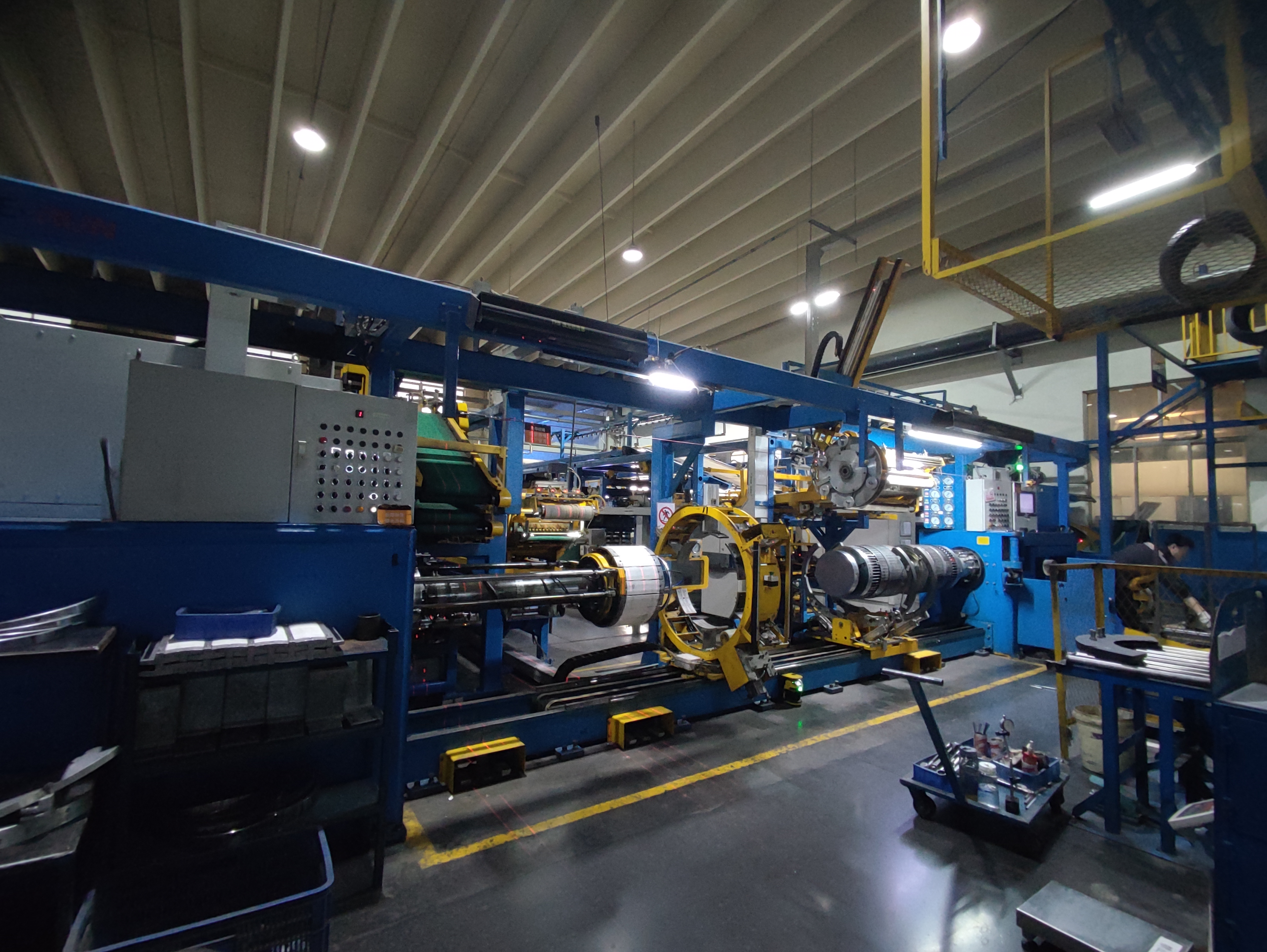
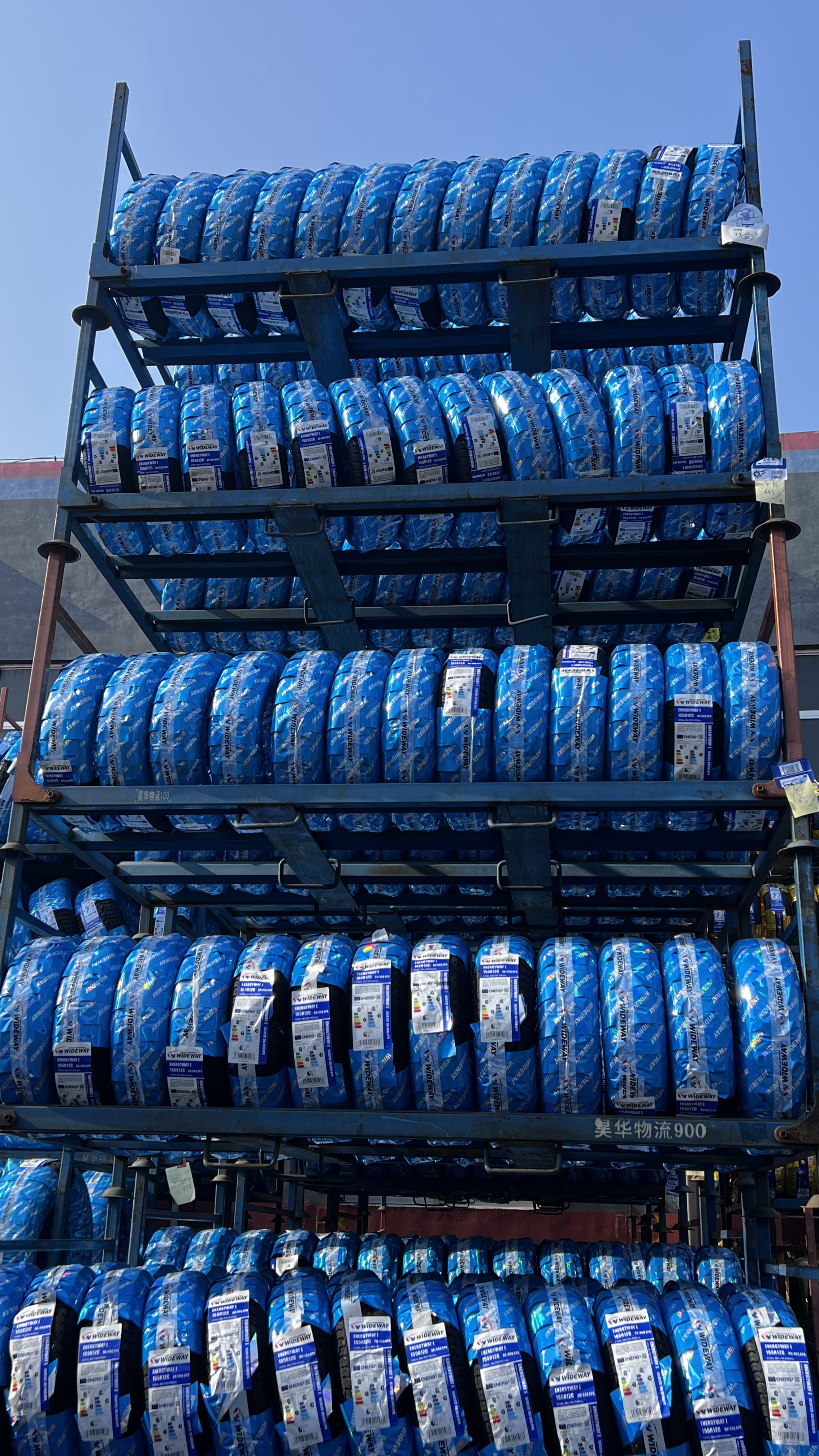
Once the build is chosen, the remaining risk sits with the supplier. Shandong Wideway Tire Co., Ltd. operates the WIDEWAY, EVERLAND and V-RICH brands and was established in 2014. Its production base in Qingdao, China covers a factory area of 1,000,000 m², with approximately 5,000 employees, an annual output of 23,400,000 tires, and a 25-person R&D team. Roughly 70% of output is exported, with markets including Central and South America, Canada, the EU, Africa, the Middle East, Southeast Asia, Central Asia and Australia.
The product portfolio spans passenger car tires, SUV tires, AT tires, MT tires, RT tires, van tires, winter tires, all-season tires, white letter tires and white wall tires — which matters when a single order needs to cover several vehicle types in a fleet or distribution program rather than one pattern in one size.
Buyers evaluating this category should verify four things in writing: the reinforced sidewall specification, the certification coverage for the destination market, the sample and validation process, and the production capacity behind the requested volume and lead time.
Frequently Asked Questions
What certifications do reinforced off-road tires need for the markets I sell into?
It depends on the destination, and the requirement applies to the vehicle's road use rather than to the tread pattern. In the United States, all DOT-certified tires for public road use must bear a code indicating plant, batch and date (for example, DOT 4A23 1224), while NHS (Not for Highway Service) tires are exempt from that coding but restricted from highway use. In Europe, the Three-Peak Mountain Snowflake (3PMSF) symbol has been mandatory for winter tires used in wintry conditions in Germany since October 2024 and in Sweden since November 2024. For Saudi Arabia, SASO certification is mandatory for all tires exported there, covering energy efficiency and safety standards for the GCC market. A supplier should be able to confirm coverage for each specific market before an order is placed.
Can one reinforced RT set replace separate AT and MT sets?
Not automatically. RT is the middle ground: reinforced sidewall construction plus a silent absorber makes it strong on rock, gravel, broken roads and mixed trail-and-highway duty. AT remains the better fit when the dominant mileage is highway and hardpack with occasional soft ground, and MT remains the specialist for deep mud and soft, self-clearing terrain. The practical rule is to buy for the surface that caused your last failure — sidewall damage points to RT, wear and maintenance frequency point to AT, and getting stuck in soft ground points to MT.
The reinforced version costs more upfront — does the total cost of ownership come out lower?
Based on the comparison against a traditional tire pattern and construction design, the initial cost is approximately 10% higher, while the total cost of ownership over three years is approximately 40% lower. The gap comes from a longer tread life and from maintenance requirements that are approximately 90% lower, alongside a 40% extension in total tire lifespan and safety margin. For operators replacing sidewall-damaged tires mid-season, the avoided downtime is part of the same calculation.
Can I validate a build before placing a bulk order?
Yes. A sample set run on the actual duty cycle is the most reliable way to confirm that an RT, AT or MT choice behaves as expected under real load, pressure and terrain. Supplier-side measures that support this stage include quality testing and customer usage training, which help ensure the tire is run at the correct pressure and in the application it was selected for.
What do I need to confirm about volume and lead time?
Volume and lead time should be confirmed against the production base behind the order. Shandong Wideway Tire Co., Ltd. operates with approximately 5,000 employees and an annual output of 23,400,000 tires from its Qingdao base, with a 70% export ratio across Central and South America, Canada, the EU, Africa, the Middle East, Southeast Asia, Central Asia and Australia. Programs spanning multiple sizes or several brands — WIDEWAY, EVERLAND and V-RICH — should have the size mix and delivery schedule confirmed in writing before production is scheduled.
Next step: tell us the terrain that caused your last failure, the vehicle and the size you need, and we will recommend the RT, AT or MT build that fits it. Sample requests, quotation enquiries and distributor programs can be sent to Della at della@widewaytire.com, by WhatsApp at +86 18253208831, or through www.widewaytire.com. The full off-road range and specifications are available in the EVERLAND CATALOG-2025.
Conclusion
Off-road tire failures are rarely random. Sidewall cuts and bulges come from impact where the sidewall is too thin to protect the cords. Highway noise comes from tread blocks without a noise-control layer. Sand, mud and heat-related traction loss comes from a footprint and pattern matched to the wrong surface. Each of those has a construction-level answer: tougher sidewall rubber with approximately 5 mm additional thickness, thicker extended shoulder rubber, an advanced deflection design, a silent absorber and an approximately 3% wider contact patch — delivering roughly 22% more grip and stability, a 40% longer total lifespan and about 40% lower total cost of ownership over three years.
The remaining decision is which build carries that construction into your terrain. Choose RT when the sidewall is what fails. Choose AT when wear and maintenance are the problem. Choose MT when the ground itself is the problem. Diagnose first, then specify — and validate with a sample before committing the fleet.
Have Questions or Need More Details?
Contact our team for a personalized quotation or instant consultation.
Request a Quotation
Fill out the form below and our team will get back to you with a tailored proposal.
WhatsApp Direct Chat
Prefer to chat in real-time? Message us on WhatsApp for instant assistance & quick answers.
- Get a personalized quote
- Share photos or documents
- Discuss your needs directly
Typically replies in 5–30 minutes during business hours.