
Passenger Car Tire Anatomy: Steel Cord & Polyester Cord
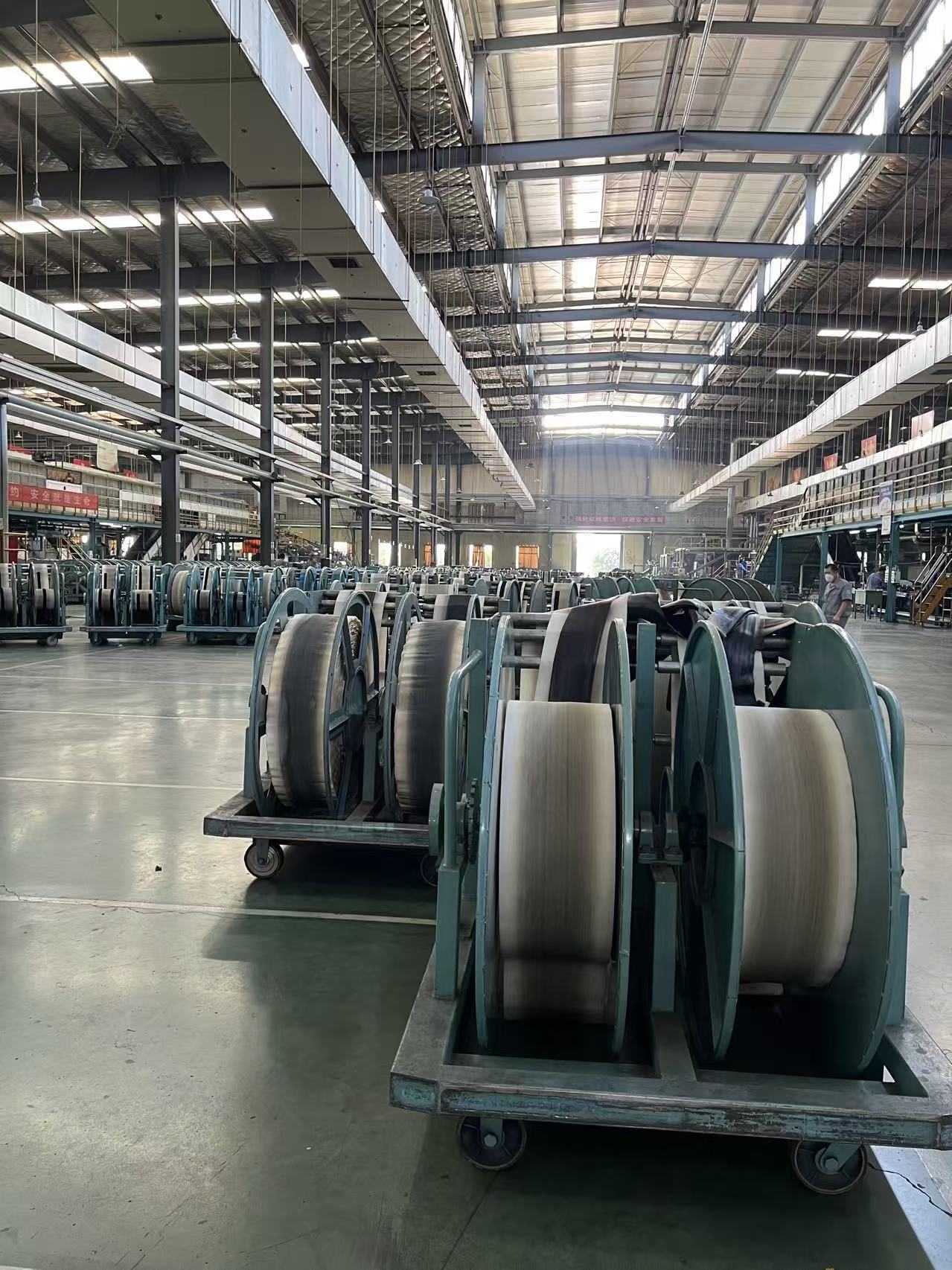
Passenger Car Tire Anatomy: Steel Cord & Polyester Cord
Steel cord and polyester cord fabric are two internal reinforcement materials in a passenger car tire. Steel cord is a steel-filament reinforcement commonly used in the belt package and bead area; polyester cord fabric is a rubber-coated fabric ply commonly used in the carcass. They appear in the material list because they control different jobs: dimensional strength and flexible load-carrying structure. Natural rubber, synthetic rubber, carbon black, nylon cord fabric, and the vulcanization system complete the picture.
For a new buyer, the practical question is not which material sounds strongest. It is which combination fits the tire category, load, speed, road surface, and certification market. This guide explains the anatomy in buyer language and shows how to read a passenger car tire material list before comparing quotes.
Problem Definition: Why a Tire Material List Confuses First-Time Buyers
A passenger car tire material list is usually printed as a short line of technical names: natural rubber, synthetic rubber, carbon black, steel cord, polyester cord fabric, nylon cord fabric, vulcanizing agent, vulcanization accelerators, activators, antioxidants, and RAE oil. The list looks simple, but it mixes four different levels of information.
Structural reinforcement
Steel cord, polyester cord fabric, and nylon cord fabric carry shape, load, and dimensional control.
Rubber polymers
Natural rubber and synthetic rubber form the elastic body and influence grip, heat, and fatigue behavior.
Fillers and process aids
Carbon black, precipitated silica where listed, and RAE oil affect compound strength and processing.
Cure and protection system
Vulcanizing agents, accelerators, activators, and antioxidants turn the assembly into a durable product.
The confusion is practical: a buyer may compare two passenger car tires by size, pattern, or price and ignore the material architecture. That is risky because the same size can be built for different service conditions. A highway tire, a commercial van tire, an ultra-high-performance tire, and a winter and snow tire can share the same broad material family while using different construction balances and compound priorities.
Industry Background: Why the Same Material Names Appear Across Tire Categories
Passenger car tires are sold into both original equipment and replacement markets, and the category covers internal combustion engine vehicles and electric vehicles. Distribution runs through offline retail networks and online sales channels. Within that broad market, suppliers use familiar material names because the basic tire architecture is widely shared.
That does not mean all passenger car tires are the same. The supplied product data shows categories such as safe and affordable family passenger car tire, urban road passenger car tire, high-speed stability passenger car tire, ultra-high-performance passenger car tire, SUV passenger car tire, comfortable and noiseless EV passenger car tire, commercial van passenger car tire, and winter and snow passenger car tire. These labels describe the intended service balance. The material list explains how that balance is physically built.
For example, the supplied material list for many passenger car tire products includes natural rubber, synthetic rubber, carbon black, steel cord, polyester cord fabric, nylon cord fabric, vulcanizing agent, vulcanization accelerators, activators, antioxidants, and RAE oil. Selected passenger car tire products also list white rubber compound and precipitated silica. Those additions point to appearance or compound-design choices, not a different basic anatomy.
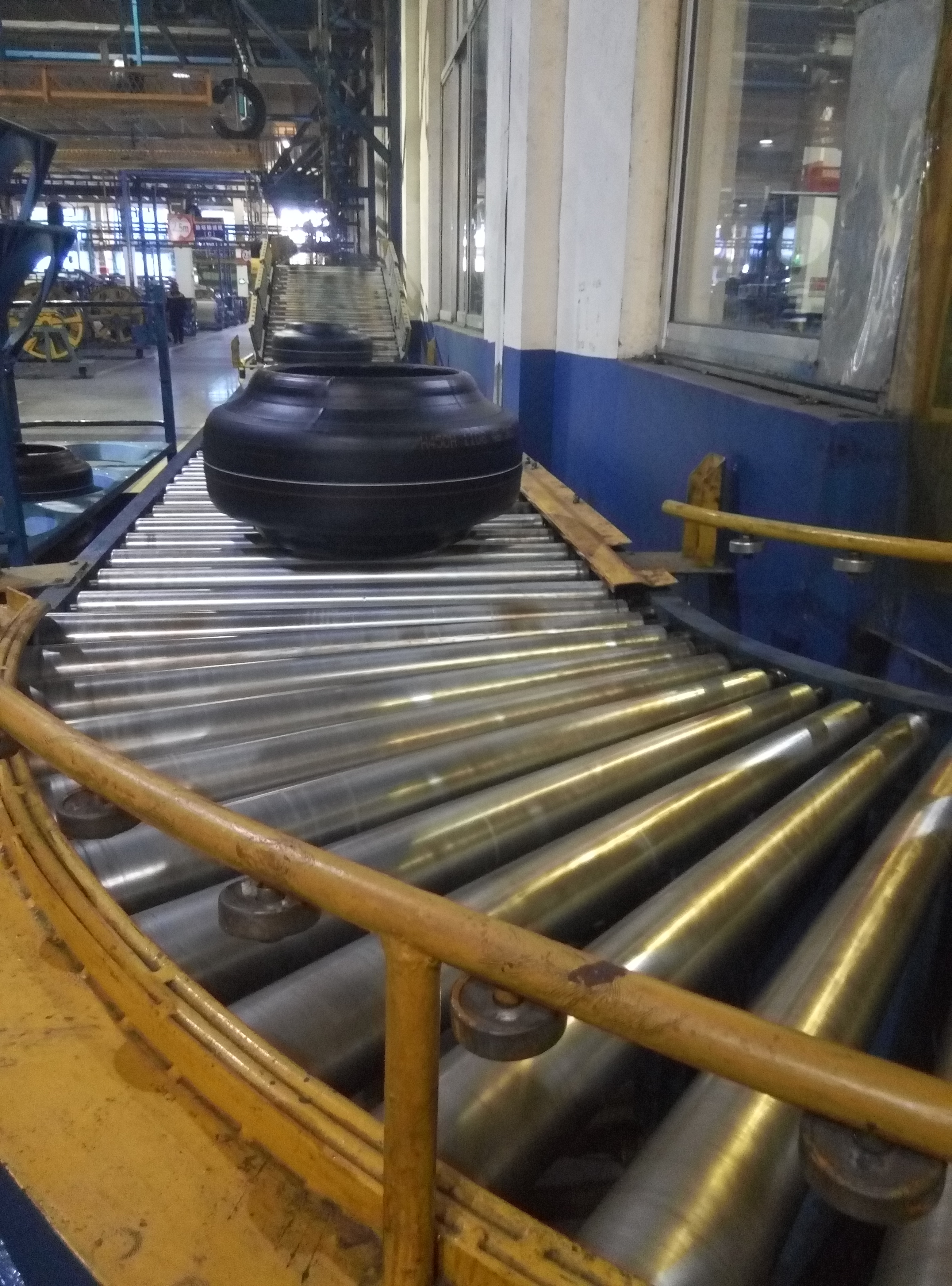
Detailed Solution: What Steel Cord and Polyester Cord Fabric Actually Do
Steel cord: the dimensional-strength reinforcement
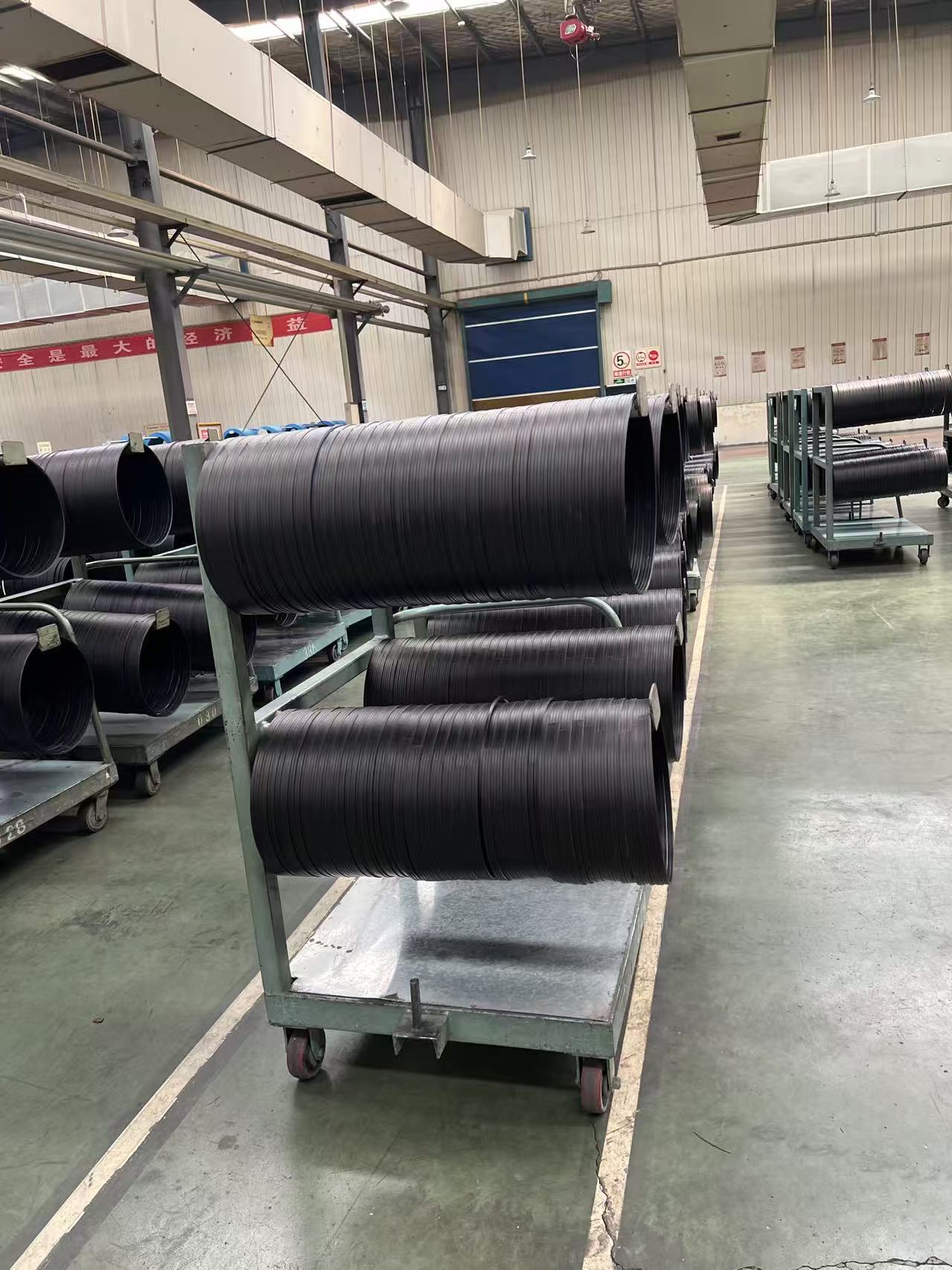
Steel cord is not a visible steel wire on the outside of the tire. It is an internal reinforcement made from fine steel filaments. In common passenger car tire construction, steel cord is used in the belt package and bead area. The belt package sits under the tread and helps stabilize the tread footprint. The bead area anchors the tire to the rim.
In buyer terms, steel cord supports three things. First, it helps the tire hold its shape under load and inflation pressure. Second, it supports steering precision and high-speed stability by restraining tread distortion. Third, it contributes to durability against road inputs. This is why high-speed stability and ultra-high-performance passenger car tire categories place strong demands on belt construction, even when the sidewall does not explain the belt package in detail.
Steel cord should not be read as a simple strength score. A heavier belt is not automatically better. The belt design must match the tire size, load index, speed rating, and intended road use. A commercial van tire and a low-profile ultra-high-performance tire may both use steel cord, but they do not need the same balance of flexibility, weight, and stiffness.
Polyester cord fabric: the flexible load-carrying carcass
Polyester cord fabric is a fabric reinforcement made from polyester yarns, coated with rubber compound and used in the tire carcass. The carcass is the pressure vessel of the tire. It carries inflation pressure and vehicle load while flexing millions of times over the tire life. Polyester cord fabric is valued because it combines dimensional stability with flex fatigue resistance in passenger car service.
For a buyer, polyester cord fabric matters in three practical ways. It supports load capacity, it affects ride comfort and noise through carcass compliance, and it influences durability under repeated deflection. A tire with a well-matched polyester carcass can carry load without feeling harsh, while a poorly matched carcass can compromise comfort or endurance even if the tread pattern looks suitable.
Polyester cord fabric is also a useful check in the material list. If a supplier claims a passenger car tire is built for family comfort, urban use, or EV low-noise service, the carcass construction should be consistent with that claim. The material list alone does not prove performance, but it is a starting point for asking the right technical questions.
Nylon cord fabric: the high-speed dimensional control layer
Nylon cord fabric also appears in the supplied passenger car tire material lists. In common tire construction, nylon cord fabric is used in cap-ply or dimensional-control layers, especially where high-speed stability is important. It helps restrain tire growth at speed and supports durability under heat and centrifugal load. Not every passenger car tire uses the same nylon layout, but its presence in the material list is a signal that the construction is designed for dimensional control, not only basic rolling.
The rubber system: what holds the structure together
Steel cord and polyester cord fabric do not work alone. Natural rubber provides elasticity, grip, and green strength during building. Synthetic rubber is blended to balance heat resistance, aging, wet grip, and processing behavior. Carbon black reinforces the compound and supports wear resistance and strength. Precipitated silica, where listed, is another reinforcing filler used in compound design. White rubber compound, where listed, supports white sidewall or white letter appearance and the associated compound needs.
The cure system turns the assembly into a finished tire. Vulcanizing agents, vulcanization accelerators, and activators create and control the crosslinked rubber network. Antioxidants protect the rubber from oxygen and heat aging. RAE oil is a process aid that helps the compound flow and mix. These names may look secondary in a material list, but they determine whether the steel and fabric structure is bonded into a coherent, durable product.
Why composition matters for tire classification
A passenger car tire category is a promise about service conditions. An all-season passenger car tire needs a compound and construction balance that can handle year-round use. An ultra-high-performance passenger car tire needs high-speed stability and steering precision. A comfortable and noiseless EV passenger car tire needs low noise and ride comfort while carrying EV load. A commercial van passenger car tire needs load capacity and durability. A winter and snow passenger car tire needs cold-weather traction and flexible compound behavior.
The material list does not replace the category label, and the category label does not replace the material list. Buyers should read them together. For example, product 5085 is listed as a safe and affordable family passenger car tire, urban road passenger car tire, and high-speed stability passenger car tire, with a material list that includes steel cord and polyester cord fabric. Product 5123 is listed as a commercial van passenger car tire, with a higher load index and pressure rating than a family tire. Product 5092 is listed as a comfortable and noiseless EV passenger car tire and also carries urban, high-speed stability, ultra-high-performance, and SUV category signals. These are different service briefs built from a shared material vocabulary.
Step-by-Step Breakdown: How to Read a Passenger Car Tire Material List
- Separate structure from compound. Put steel cord, polyester cord fabric, and nylon cord fabric in one group. Put natural rubber, synthetic rubber, carbon black, silica, white rubber compound, RAE oil, and the cure system in another. Structure controls shape, load, and speed; compound controls grip, wear, heat, and aging.
- Match the structure to the service brief. A high-speed or ultra-high-performance tire should have a belt and carcass design that supports stability. A commercial van tire should support load and pressure. A comfort or EV tire should support low noise and ride quality. Ask the supplier how the material list supports the stated category, not just whether the names appear.
- Check the load and speed ratings with the construction. Product 5085 lists a load index of 91 and speed rating V. Product 5123 lists 106/104 and speed rating R. Product 5092 lists 109 and speed rating W. These values should be read together with the material list and intended application. A higher speed rating without a suitable belt package or compound is not a meaningful advantage.
- Look for category-specific compound signals. White rubber compound, where listed, points to white sidewall or white letter products. Precipitated silica, where listed, points to compound design choices. Heat resistance matters in hot markets; low noise matters for EV and comfort use; wet grip and anti-slip behavior matter in rain. Ask for the test basis behind these claims.
- Confirm certification for the exact size and market. A material list is not a market-access document. The certificate scope must match the tire family and the destination market. Compliance comes before price comparison.
- Ask for case evidence. In a Mexico project, more than 400,000 PCR tires of model 5085 were exported over four years. The reported use features include extended tread life, high cost-effectiveness, dependable all-season traction, low noise, maximum ride comfort, excellent heat resistance, and extended mileage for diverse road conditions. This is useful evidence because it connects material and construction choices to a real application.
- Validate before a container order. The supplied capability data lists OEM production, a MOQ of one 20-foot container around 400-700 pieces, and a lead time of 25-45 days. Buyers should confirm sample terms, size mix, label requirements, and certification documents before committing.
Use Cases: Matching Anatomy to Real Driving Conditions
Urban and family driving
Urban road and family passenger car tire use rewards a balanced carcass, predictable wet grip, low noise, and wear resistance. Steel cord helps the tread stay stable in stop-start traffic, while polyester cord fabric supports load and comfort. A tire that is too stiff may feel harsh; a tire that is too soft may wear quickly or feel vague in cornering. The category label should match the material balance.
Highway and high-speed driving
At highway speed, heat and centrifugal load increase. Steel cord belts and nylon cord fabric dimensional-control layers become more important. High-speed stability and ultra-high-performance categories place a premium on belt package design, tread compound heat resistance, and carcass consistency. Buyers should not compare only the speed symbol; they should ask how the construction supports that symbol.
Mountain roads and mixed gradients
Mountain-road use adds frequent gradient and cornering loads. The carcass flexes more, and the belt package must manage heat and distortion. A robust polyester carcass and a stable steel belt package are more relevant than a soft comfort-only construction. Buyers in mixed-terrain markets should ask for application evidence, not just a generic passenger car tire label.
EV and low-noise comfort
EV passenger car tires often prioritize low noise and ride comfort while carrying battery-related load. Product 5092 is listed as a comfortable and noiseless EV passenger car tire, with a load index of 109 and speed rating W. The material list still includes steel cord and polyester cord fabric, but the compound and construction balance must support quiet operation and load. Buyers should ask for noise and load evidence, not assume that an EV label alone proves performance.
Commercial van and load-focused use
A commercial van passenger car tire is a different brief. Product 5123 lists a load index of 106/104, a speed rating of R, a maximum pressure of 450 kPa, and a section width of 198 mm. The construction must support load and pressure without sacrificing too much durability. Steel cord and polyester cord fabric remain core materials, but the balance shifts toward load capacity and endurance.
Winter, snow, and all-season use
Winter and snow passenger car tires need cold-weather flexibility and traction, while all-season tires need a broader balance. Product 5169 is listed as a winter and snow passenger car tire, with a load index of 109/107, speed rating R, and maximum pressure of 475 kPa. The material list does not make the tire suitable for winter by itself; the compound and tread design must match the category. Buyers should verify the intended season and market before ordering.
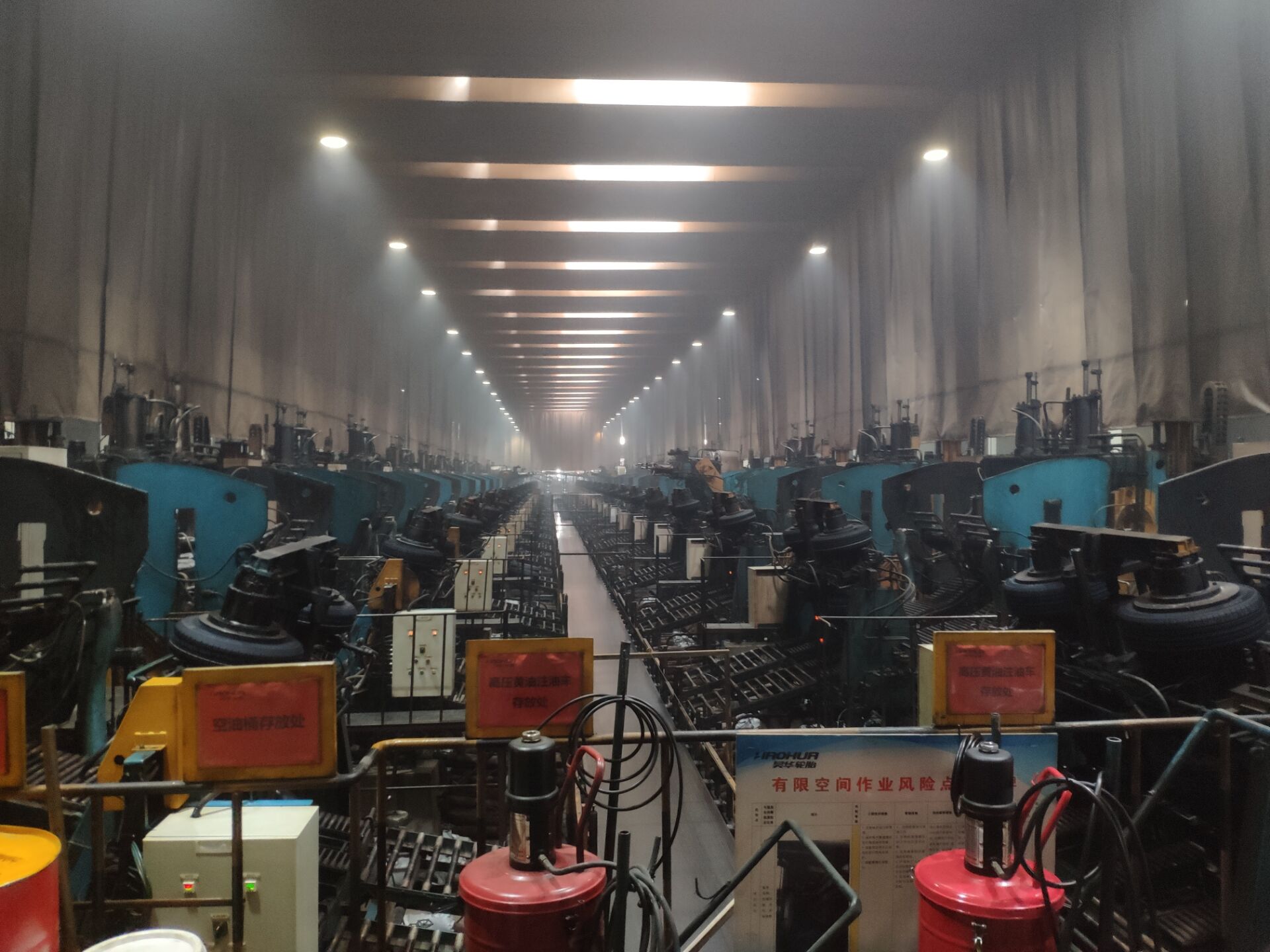
Comparison Table: Passenger Car Tire Material Anatomy at a Glance
| Material | Typical role in the tire | What it supports | Buyer check |
|---|---|---|---|
| Natural rubber | Elastic base polymer | Grip, elasticity, building strength | Ask about compound consistency and application fit |
| Synthetic rubber | Blend polymer | Heat, aging, wet grip, processing balance | Match to climate and road use |
| Carbon black | Reinforcing filler | Wear resistance and compound strength | Do not judge by presence alone |
| Precipitated silica, where listed | Reinforcing filler | Compound design for grip and rolling balance | Ask for test basis, not just the name |
| Steel cord | Steel-filament belt and bead reinforcement | Shape stability, high-speed control, load support | Check speed rating and intended service |
| Polyester cord fabric | Carcass fabric reinforcement | Load carrying, flex fatigue, ride comfort | Read with load index and category |
| Nylon cord fabric | Dimensional-control layer | High-speed stability and heat durability | Relevant for highway and UHP use |
| Vulcanizing agent, accelerators, activators | Cure system | Crosslinked rubber network and structural integrity | Ask about process control and 100% test |
| Antioxidants | Aging protection | Heat and oxygen resistance | Important in hot-climate markets |
| RAE oil | Process aid | Compound mixing and flow | Part of manufacturing consistency |
| White rubber compound, where listed | White sidewall or white letter compound | Appearance and compound compatibility | Confirm sidewall or letter specification |
What This Means for WIDEWAY, EVERLAND and V-RICH Buyers
SHANDONG WIDEWAY TIRE CO.,LTD is a tire manufacturer founded in 2014 and based in Qingdao, Shandong, China. Its passenger car tire range is offered under WIDEWAY, EVERLAND, and V-RICH. For buyers, the useful point is not the brand name alone. It is whether the supplier can explain how steel cord, polyester cord fabric, nylon cord fabric, and the rubber system support the exact tire category and market.
The supplied capability data lists OEM production, 100% test quality control, a monthly capacity of 60,000 pieces, a MOQ of one 20-foot container around 400-700 pieces, and a lead time of 25-45 days. The certification data includes ECE E4-30R-0264621 under UN Regulation No. 30, EU R117 E4-117R-025700-S2WR2 under R117, SASO GSO TR13651/2025, SONCAP NGP2026 145940 /0001, and CCC 2022061201000258. Buyers should match the certificate scope to the exact size and market before ordering.
Information gain for buyers: the material list is a diagnostic tool. It tells you what the tire is made from, but it does not replace load index, speed rating, category fit, certification, and application evidence. Read all five together before you compare quotes.
FAQ
Are WIDEWAY passenger car tires ECE certified?
WIDEWAY's supplied certification data includes ECE E4-30R-0264621 under UN Regulation No. 30, EU R117 E4-117R-025700-S2WR2 under R117, SASO GSO TR13651/2025, SONCAP NGP2026 145940 /0001, and CCC 2022061201000258. Buyers should match each certificate scope to the exact tire size and target market before ordering.
Do all passenger car tires use steel cord and polyester cord fabric?
The supplied passenger car tire material lists include natural rubber, synthetic rubber, carbon black, steel cord, polyester cord fabric, nylon cord fabric, vulcanizing agent, vulcanization accelerators, activators, antioxidants, and RAE oil. Selected passenger car tire products also list white rubber compound and precipitated silica. The presence of steel cord and polyester cord fabric is therefore a baseline structural signal in the listed products, not a premium-only feature.
How should a budget-focused buyer judge material composition?
A budget buyer should avoid judging by the material list alone. The Mexico project is useful evidence: more than 400,000 PCR tires of model 5085 were exported over four years, and the reported use features include extended tread life, high cost-effectiveness, dependable all-season traction, low noise, and maximum ride comfort. Buyers should still confirm the load index, speed rating, category fit, and certification for their own market.
Can I request samples before placing a container order?
The supplied capability data lists OEM production, a MOQ of one 20-foot container around 400-700 pieces, and a lead time of 25-45 days. A separate sample policy is not stated in the available data. Buyers should request current sample terms and the catalog before committing to a container order. The catalog is available at EVERLAND CATALOG-2025.pdf.
What is the lead time for a passenger car tire order?
The supplied capability data lists a lead time of 25-45 days. Lead time should be confirmed together with the size mix, label requirements, certification documents, and order quantity before production is scheduled.
Conclusion: Read the Tire, Not Just the Price
Steel cord and polyester cord fabric are the two reinforcement names that explain a passenger car tire's internal logic. Steel cord supports belt and bead strength, shape stability, and high-speed control. Polyester cord fabric supports the carcass, load carrying, flex fatigue resistance, and ride comfort. Nylon cord fabric adds dimensional control where the application needs it. Natural rubber, synthetic rubber, carbon black, silica where listed, white rubber compound where listed, RAE oil, and the cure system complete the structure.
For buyers, the next step is to match that anatomy to the category. Urban, all-season, ultra-high-performance, EV, commercial van, winter and snow, white sidewall, and white letter tires may share material names, but they do not share the same service brief. Use the material list as a diagnostic tool, then verify load index, speed rating, certification, and application evidence.
To review WIDEWAY, EVERLAND, and V-RICH passenger car tire options, download the EVERLAND CATALOG-2025.pdf, visit www.widewaytire.com, or contact Della at della@widewaytire.com / WhatsApp +86 18253208831 with your target size, category, and market.
Have Questions or Need More Details?
Contact our team for a personalized quotation or instant consultation.
Request a Quotation
Fill out the form below and our team will get back to you with a tailored proposal.
WhatsApp Direct Chat
Prefer to chat in real-time? Message us on WhatsApp for instant assistance & quick answers.
- Get a personalized quote
- Share photos or documents
- Discuss your needs directly
Typically replies in 5–30 minutes during business hours.