
155R12C vs 5.00R12 ULT: Pick the Right Urban Delivery Van Tire
155R12C vs 5.00R12 ULT: Choosing the Right Urban Delivery Van Tire
Urban delivery fleets that run on 12-inch rims generally weigh one of two commercial van passenger car tire choices: 155R12C or 5.00R12 ULT. Both radial tires are built for light commercial and van applications, but they are not interchangeable for every payload. The core difference is load capacity: the 155R12C line carries a load index of 106/104, while the 5.00R12 ULT is specified with load index 83 and a narrower 143 mm section width. Fleet buyers should therefore base the final decision on gross vehicle weight, axle loading and the pressure limits approved for each model.
This comparison guide explains the verified specifications, material structure and practical selection logic that matter when buying commercial van passenger car tires for daily urban cargo duty.
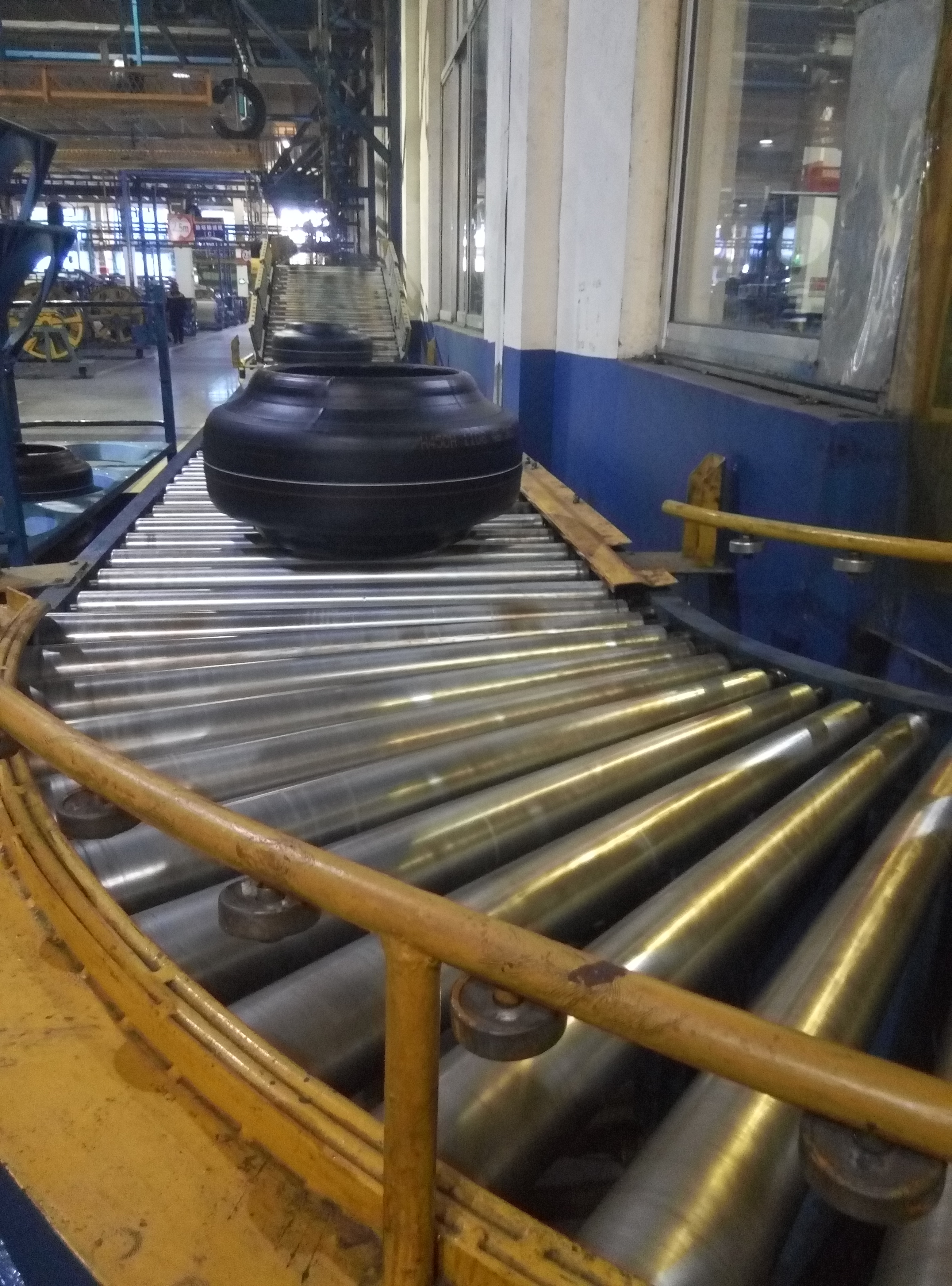
Radial tire carcass in production at Shandong Wideway Tire Co., Ltd. The casing architecture influences load support in both 155R12C and 5.00R12 ULT tires.
Why This Comparison Matters for Fleet Buyers
Light commercial vans, mini cargo trucks and last-mile delivery vehicles have different payload requirements even when they use the same rim diameter. A wrong tire choice can lead to overloading, higher operating temperatures, premature casing fatigue or unstable handling. That risk is especially high when a 12-inch tire is selected mainly on price or availability instead of on the load index and maximum inflation pressure recommended for the vehicle.
A tire comparison for urban delivery should therefore begin with two documented figures: load index and section width. Load index tells the buyer how much weight each tire can support in normal service. Section width affects footprint, stability and steering response. Maximum pressure, in turn, defines the inflation ceiling that the casing is designed to handle.
The two products compared here are both listed within the Commercial Van Passenger Car Tire application type in the Wideway product system, but their specifications place them in different payload brackets. The following sections set out what each size actually offers before we propose a decision method for delivery fleets.
Industry Background: Small Commercial Tires in a Growing Market
Passenger car tires remain the largest segment of the global tire industry. The passenger car tire market was valued at approximately USD 143.06 billion in 2024, with the passenger car segment accounting for 32.6% of total tire market revenue, according to Grand View Research. Urban distribution growth, e-commerce parcel delivery and commercial van registrations continue to create steady demand for durable small-diameter commercial tires, especially in emerging markets where narrow 12-inch fitments are common.
China is a major production base for these products. China's total tire exports in 2025 reached 9.65 million tonnes, up 3.6% year-on-year, with an export value of about 167.7 billion RMB (approximately USD 23.1 billion), according to data cited from the General Administration of Customs and SunSirs. Within that export volume, manufacturers such as Shandong Wideway Tire Co., Ltd. supply passenger car, van, SUV and off-road tires to distributors across Europe, Africa, the Middle East, Central and South America, Southeast Asia, Central Asia, Canada and Australia.
Shandong Wideway Tire Co., Ltd. is a tire manufacturer established in 2014, located in Qingdao, Shandong, China. The company reports a 1,000,000-square-meter facility, approximately 5,000 employees and an annual output of 23,400,000 units. Its product range covers passenger car tires, van tires and other radial categories under the brands WIDEWAY, EVERLAND and V-RICH. Around 70% of production is exported. Understanding this manufacturing context helps buyers evaluate the two tire models discussed below as part of a consistent commercial production and quality system rather than as isolated SKUs.
Detailed Tire Comparison
155R12C: Stronger Load Index for Heavier Cargo Vans
155R12C is a metric commercial tire size in which the “C” denotes a commercial/light truck reinforced application. In the Wideway product system, 155R12C belongs to a family of commercial van passenger car tires that also includes 155R13C, 165/70R13C, 185R14C, 195R15C and larger C-type sizes up to 235/65R16C.
The verified parameter line for this C-type commercial series records a section width of 198 mm, a load index of 106/104, a maximum inflation pressure of 450 kPa and a speed rating of R. The 106/104 load index format indicates a higher single-load rating followed by a dual-application rating. In the standard tire load-index table, load index 106 corresponds to approximately 950 kg and load index 104 to approximately 900 kg. These values are standardized reference figures used across the industry to convert load index numbers into kilograms; they are not manufacturer-specific claims.
The wider 198 mm footprint gives the 155R12C more contact area for urban cargo routes where the vehicle regularly carries heavier loads. A wider footprint can also improve stability during cornering and braking when the cargo load pushes the tire toward its rated capacity. Combined with its 106/104 load index, the 155R12C is better positioned for vans and micro trucks that operate close to the upper end of the light commercial payload range.
5.00R12 ULT: Narrower, Higher-Pressure Option for Lighter Loads
5.00R12 ULT is an inch-series radial size. “ULT” in the model name signals an ultra-light truck positioning within the commercial van passenger car tire range. In the Wideway product system, the 5.00R12 ULT is listed as a passenger car tire model used for commercial van applications.
Its recorded specification is a section width of 143 mm, a load index of 83, a maximum pressure of 500 kPa and a speed rating of P. In the standard load-index table, load index 83 corresponds to approximately 487 kg. The higher maximum pressure of 500 kPa indicates the inflation ceiling of its casing, while the narrower section width makes it lighter and easier to steer in stop-and-go urban traffic when payload requirements are modest.
For fleet operators whose vehicles rarely reach heavy gross weights, the 5.00R12 ULT can provide a practical operating fitment with lower rolling mass and a smaller footprint. However, the gap between load index 83 and 106/104 is substantial. Trying to use the 5.00R12 ULT as a substitute for the 155R12C on a heavier van would place the tire outside its verified load rating.
Material Composition: Shared Base, Different Formulation Scope
Both tire lines share a radial passenger car construction that uses a combination of rubber and reinforcing materials. The recorded material list for the 155R12C commercial C-type family includes natural rubber, synthetic rubber, white rubber compound, carbon black, precipitated silica, steel cord, polyester cord fabric, nylon cord fabric, vulcanizing agent, vulcanization accelerators, activators, antioxidants and RAE oil.
The 5.00R12 ULT uses a similar core material set: natural rubber, synthetic rubber, carbon black, precipitated silica, steel cord, polyester cord fabric, nylon cord fabric, vulcanizing agent, vulcanization accelerators, activators, antioxidants and RAE oil. One material difference visible in the verified components is the presence of white rubber compound in the 155R12C commercial van tire formulation. The presence of carbon black and precipitated silica in both lines reflects typical radial tire compounding used to balance tread strength, grip and rolling behavior.
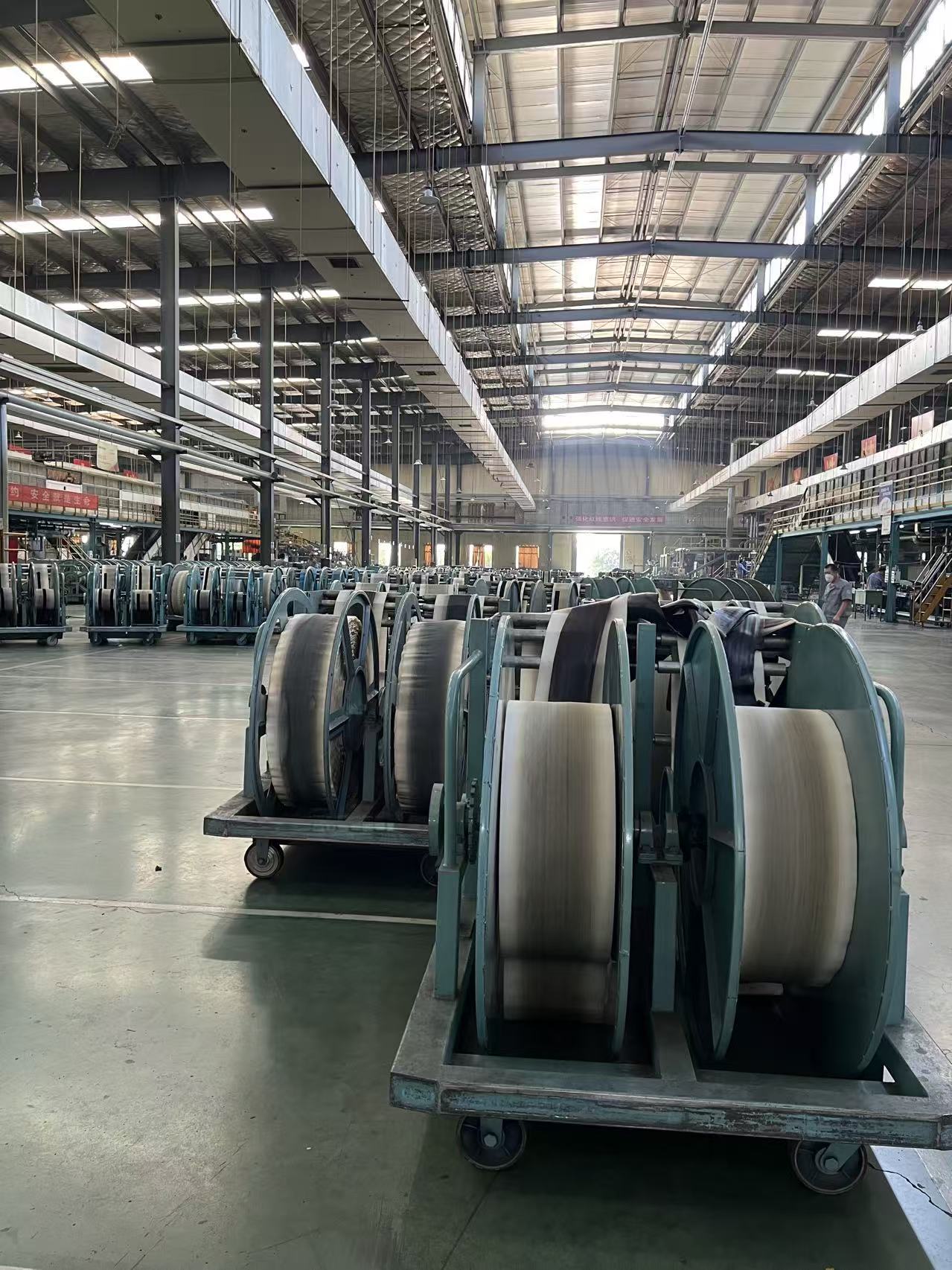
Rubber compound material prepared for tire manufacturing. Both compared models use natural rubber, synthetic rubber, carbon black and precipitated silica in their listed formulations.
Load Capacity vs. Pressure: Reading the Two Numbers Together
Load index and maximum pressure are often reviewed separately, but in a fleet context they should be read together. The 155R12C provides the higher load index of 106/104, while its maximum pressure is 450 kPa. The 5.00R12 ULT carries a lower load index of 83 but a higher maximum pressure ceiling of 500 kPa.
These figures are not contradictions; they describe different design envelopes. The 155R12C is engineered for a larger payload envelope and a wider contact patch. The 5.00R12 ULT, by contrast, is a narrower ultra-light truck-oriented tire with a higher inflation ceiling that supports its smaller casing structure. Buyers should never inflate either tire beyond the vehicle manufacturer's recommended cold pressure or beyond the tire marking shown on the sidewall.
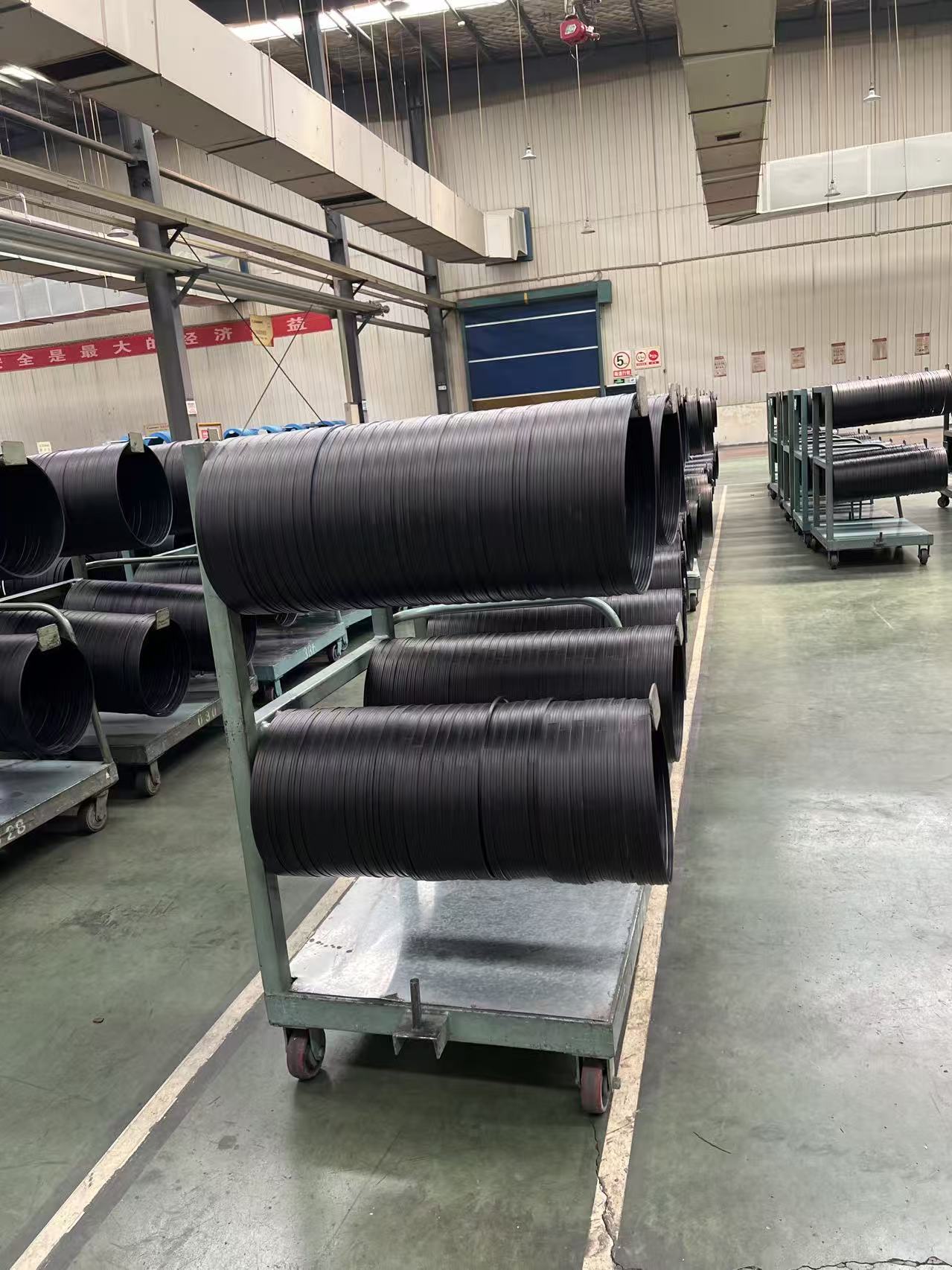
Steel material used in tire sidewall construction. Casing reinforcement supports load retention in radial commercial van tires.
Step-by-Step Decision Framework for Urban Delivery Fleets
Step 1: Establish Gross Vehicle Weight and Axle Loading
Start with the vehicle's gross vehicle weight rating and real-world operating weight. If the vehicle frequently runs near its maximum legal payload, the 155R12C's 106/104 load index provides a materially larger reserve. If daily cargo is consistently light, the 5.00R12 ULT may be sufficient, but this must be confirmed against the vehicle manufacturer's minimum tire specification.
Step 2: Confirm Rim Size and Wheel Well Clearance
Both compared tires use the same 12-inch rim diameter, but their section widths differ by about 55 mm: 198 mm for the C-type 155R12C line versus 143 mm for the 5.00R12 ULT. Before changing from one size to the other, check the wheel rim width range and clearance inside the wheel housing. A significantly wider tire can create rubbing or alter steering geometry on vehicles originally designed for the narrower ULT size.
Step 3: Compare Load Index with Demanded Payload
Convert the required weight per axle into a required load index using standard load-index reference tables. Then compare that requirement with 106/104 for the 155R12C or 83 for the 5.00R12 ULT. It is safer to keep at least a small reserve above the calculated requirement to cover load shifting, curbs and high-temperature operation.
Step 4: Evaluate Maximum Inflation Pressure Compatibility
The 155R12C is rated to 450 kPa and the 5.00R12 ULT to 500 kPa. Verify the vehicle's recommended cold inflation pressure for the original fitment. If the rim and valve system are not rated for the tire's maximum pressure, the tire must still be limited to the vehicle's permitted pressure.
Step 5: Consider Route Conditions and Mileage Targets
For dense urban routes with many stops, a stable footprint and even wear are important. The wider footprint of the 155R12C generally distributes load more broadly, which can contribute to regular wear patterns when loads are heavy. For lighter parcel vans in congested streets where maneuverability is a priority, the 143 mm width of the 5.00R12 ULT may be easier to handle. The final choice should always remain within the tire's load and pressure limits.
Practical Use Cases
Use Case A: Heavier Cargo Vans on Daily Multi-Stop Routes. A delivery operation that regularly loads the vehicle close to its commercial payload limit needs the higher load reserve of the 155R12C. Its 106/104 load index and 198 mm section width make it the more appropriate commercial van passenger car tire for this duty pattern.
Use Case B: Light Parcel and Service Vans with Modest Payloads. For operators whose gross weight stays well below the 155R12C's rated envelope and whose original rims are designed for narrower fitments, the 5.00R12 ULT can cover the application at a lighter footprint. That distinction explains why both sizes continue to exist inside the same commercial van tire category.
Use Case C: Regional Aftermarket and Distributor Inventory. Tire distributors and wholesalers often stock both sizes because the replacement demand in local markets depends on the dominant van population. A distributor targeting small commercial fleets should verify which original equipment size is most common in its region before committing container volume.
The manufacturer's export experience with passenger car tires in diverse road conditions provides relevant background. In one documented project in Mexico, more than 400,000 PCR tires were exported over four years and were used successfully by tire distributors and wholesalers. The tires demonstrated extended tread life, high cost-effectiveness, dependable all-season traction, low noise and ride comfort, supporting the company's track record in commercial passenger car tire supply programs.
155R12C vs 5.00R12 ULT: Comparison Table
| Parameter | 155R12C (Commercial C-Type Line) | 5.00R12 ULT |
|---|---|---|
| Tire Category | Commercial Van Passenger Car Tire | Commercial Van Passenger Car Tire |
| Rim Diameter | 12 inch | 12 inch |
| Section Width | 198 mm | 143 mm |
| Load Index | 106/104 | 83 |
| Maximum Pressure | 450 kPa | 500 kPa |
| Speed Rating | R | P |
| Recorded Material Scope | Natural rubber, synthetic rubber, white rubber compound, carbon black, precipitated silica, steel cord, polyester cord fabric, nylon cord fabric, vulcanizing agent, accelerators, activators, antioxidants, RAE oil | Natural rubber, synthetic rubber, carbon black, precipitated silica, steel cord, polyester cord fabric, nylon cord fabric, vulcanizing agent, accelerators, activators, antioxidants, RAE oil |
Load index values are listed from the product parameter records. Standard load-index reference tables convert index 106 to roughly 950 kg and index 104 to roughly 900 kg in single/dual interpretations; index 83 corresponds to roughly 487 kg. Vehicle manufacturers' fitment tables always take precedence over general reference values.
Certification and Compliance Note
Commercial tire buyers also need documentation evidence. Both the 155R12C C-type commercial family and the 5.00R12 ULT appear in the related product lists of certificates held by the company. Available compliance records include an ECE certificate (E4-30R-0264621) issued by RDW for the EU and African markets under UN Regulation No. 30, as well as an EU Regulation No. 117 E-mark certificate (E4-117R-025700-S2WR2). The SONCAP certificate (NGP2026 145940/0001) issued by Bureau Veritas covers the Nigeria market, and the SASO GSO product certificate (TR13651/2025) covers Saudi Arabia. Buyers should still confirm that the specific sidewall marking and production batch match the certificate scope requested for their destination market.
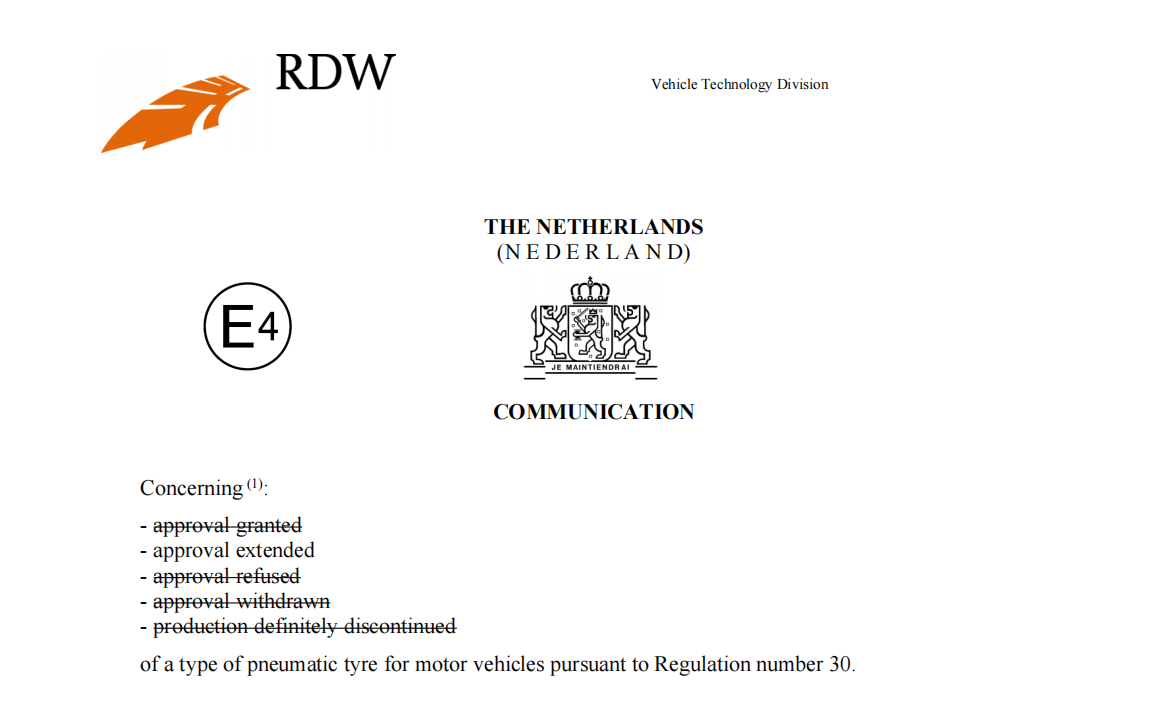
ECE certificate documentation forms part of the compliance file for passenger car and commercial van tire lines.
Frequently Asked Questions
Yes, both sizes are associated with compliance documentation in the manufacturer's certificate scope. The related product lists for the available ECE, ECE R117, SONCAP and SASO certificates include the 155R12C commercial C-type family as well as the 5.00R12 ULT model. Certificate numbers such as E4-30R-0264621 (ECE), E4-117R-025700-S2WR2 (EU R117), NGP2026 145940/0001 (SONCAP, Nigeria) and TR13651/2025 (SASO, Saudi Arabia) are part of that file. For a specific destination, the buyer should verify the sidewall marking, model line and certificate validity period.
The 155R12C has the higher load capacity within this comparison. It carries load index 106/104 and a section width of 198 mm, while the 5.00R12 ULT is specified with load index 83 and a section width of 143 mm. In standard load-index reference terms, index 106 corresponds to roughly 950 kg and index 83 to roughly 487 kg per tire. For urban delivery vans operating near heavier commercial payloads, the 155R12C is the more appropriate candidate; the 5.00R12 ULT should be reserved for lighter vehicles whose original specification falls within its lower load index.
For a lighter delivery route where the vehicle's gross weight never approaches the 155R12C's rated capacity, the 5.00R12 ULT can be the more economical fitment because it uses a narrower 143 mm section width and a lower load envelope. However, cost decisions should never override the vehicle manufacturer's required tire specification. If the original equipment size for the van is a C-type load-index tire, downgrading to the lower load index of the 5.00R12 ULT could create an overload risk. The buyer should match the tire to the GVW requirement first, then compare price and availability within the correct load-index bracket.
Distributors can contact Shandong Wideway Tire Co., Ltd. to discuss fitment details, market certification needs and sample requests before a production order. For confirmed bulk programs, the company's OEM production mode indicates a monthly capacity of about 60,000 pieces, a typical MOQ of one 20-foot container (approximately 400–700 pieces), a lead time of 25–45 days and 100% testing as part of its quality-control statement. Export markets include Europe, the Middle East, Africa, Central and South America, Southeast Asia, Central Asia, Australia and Canada. Direct inquiries can be sent to della@widewaytire.com or via WhatsApp at +86 18253208831.
Conclusion: Match the Tire to the Payload, Not Just the Rim Size
The comparison between the 155R12C and the 5.00R12 ULT is ultimately a payload decision. The 155R12C provides a commercial C-type load rating of 106/104, a 198 mm section width and a 450 kPa maximum pressure, which positions it for heavier urban delivery vans and cargo vehicles. The 5.00R12 ULT offers a lighter 143 mm footprint, a load index of 83 and a higher 500 kPa inflation ceiling, which is relevant for lighter commercial applications where the vehicle specification supports that size.
Fleet buyers should translate their gross vehicle weight into a required load index, confirm the rim and wheel-well fitment, and then compare the two verified specification sheets shown above. This method reduces the risk of overloading while keeping the purchase decision grounded in measurable data rather than general assumptions about “bigger” or “smaller” tires.
For buyers who want to compare additional commercial van passenger car tire sizes and complete model availability, the EVERLAND catalog can be downloaded through the following link:
Download the EVERLAND Tire Catalog
For specification checks or market-specific inquiries: www.widewaytire.com
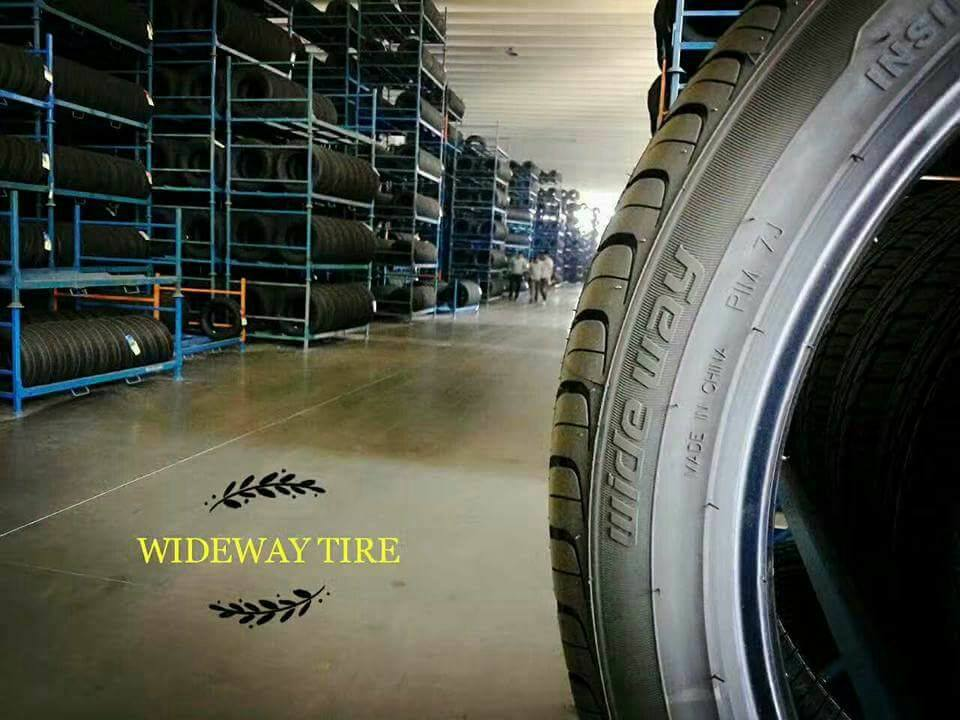
Finished tire warehouse storage supports container-level order fulfillment for distributor programs.
Have Questions or Need More Details?
Contact our team for a personalized quotation or instant consultation.
Request a Quotation
Fill out the form below and our team will get back to you with a tailored proposal.
WhatsApp Direct Chat
Prefer to chat in real-time? Message us on WhatsApp for instant assistance & quick answers.
- Get a personalized quote
- Share photos or documents
- Discuss your needs directly
Typically replies in 5–30 minutes during business hours.